

Wondering how to become a digital marketer? The short answer: learn the core channels, build real skills through hands-on projects, earn a recognised certification or two, and create a portfolio that proves you can deliver results. You do not need a marketing degree. Most working Digital Marketing Agency today are self-taught or trained through short courses.
This guide breaks the journey into clear, practical steps, based on what actually gets people hired in the current job market.
What Is a Digital Marketer?
A digital marketer promotes products, services, or brands through online channels. These include search engines, social media, email, paid advertising, and content platforms. The role blends creativity with data analysis. One day you might write ad copy, the next you might study conversion rates in Google Analytics.
Digital marketing is not one job. It is a family of specialisms, and understanding them early helps you choose a direction.
Core Skills Every Digital Marketer Needs
Before picking a niche, build a working knowledge of these areas:
- Search Engine Optimisation (SEO): Helping websites rank in Google and AI-powered search results
- Pay-Per-Click Advertising (PPC): Running paid campaigns on Google Ads and Meta Ads
- Content Marketing: Creating blogs, videos, and guides that attract and convert audiences
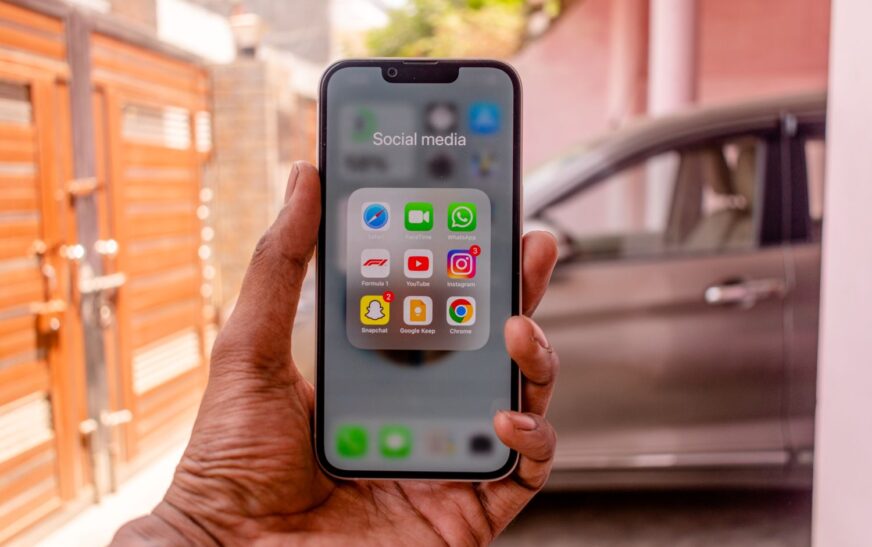
- Social Media Marketing: Growing and engaging audiences on platforms like Instagram, LinkedIn, and TikTok
- Email Marketing: Building lists and writing campaigns that nurture leads
- Analytics: Reading data in tools such as Google Analytics 4 to measure what works
You will also need soft skills. Clear writing, curiosity, and comfort with constant change matter just as much as technical knowledge.
How to Become a Digital Marketer in 7 Steps
Here is the roadmap I recommend to anyone starting from zero.
Step 1: Learn the Fundamentals
Start with free, credible training. Google’s Digital Garage, HubSpot Academy, and Meta Blueprint all offer beginner courses at no cost. Spend four to six weeks getting a broad overview before you specialise.
Step 2: Pick a Specialism
Generalists struggle to stand out. Choose one area, such as SEO, PPC, or social media, and go deep. You can always broaden later. In my experience, people who specialise early land their first role faster because they can point to a specific, in-demand skill.
Step 3: Get Certified
Certifications will not replace experience, but they help you pass CV screening. The most respected ones include:
- Google Ads Certification
- Google Analytics Certification
- HubSpot Content Marketing Certification
- Meta Certified Digital Marketing Associate
All of these are free or low cost, and each takes only a few days to complete.
Step 4: Practise on Real Projects
Theory alone will not get you hired. Start a blog, grow a niche social media account, or run a small Advertising campaign with a modest budget. Alternatively, offer free help to a local business or charity. Real results, even small ones, are worth more than any certificate.
Step 5: Build a Portfolio
Document everything. Screenshots of traffic growth, campaign dashboards, before-and-after rankings, and short case studies show employers what you can actually do. A simple one-page website or PDF works fine.
Step 6: Network and Stay Current
Digital marketing changes fast, especially with AI reshaping search behaviour. Follow industry publications like Search Engine Land and Marketing Week, join LinkedIn communities, and attend local meetups. Many first jobs come through connections rather than job boards.
Step 7: Apply for Entry-Level Roles or Freelance
Look for titles such as Digital Marketing Assistant, SEO Executive, Social Media Coordinator, or PPC Analyst. Freelancing on platforms like Upwork is another valid route, and many marketers build entire careers without ever joining an agency.
How Long Does It Take?
Most beginners become job-ready in three to six months of consistent, part-time study and practice. If you can commit full time, some people land junior roles in as little as eight to twelve weeks. Mastery, of course, takes years, but you do not need mastery to start earning.
Do You Need a Degree?
No. Employers in this field care far more about demonstrable skills and results than formal qualifications. A degree in marketing, business, or communications can help, but a strong portfolio consistently beats a certificate on paper. This is one of the few careers where a motivated self-starter can genuinely compete with graduates.
How Much Do Digital Marketers Earn?
Salaries vary by country, specialism, and experience. In the UK, entry-level roles typically start between £22,000 and £28,000, rising to £35,000 to £50,000 at mid level. Specialists in PPC and SEO, along with freelancers who build a solid client base, often earn considerably more. Performance-driven roles also tend to reward results quickly, so progression can be fast.
Common Mistakes to Avoid
- Trying to learn every channel at once instead of specialising
- Collecting certificates without doing practical work
- Ignoring analytics and focusing only on creative tasks
- Waiting to feel “ready” before applying for roles
- Overlooking AI tools, which are now standard in most marketing teams
Conclusion
Learning how to become a digital marketer is less about qualifications and more about momentum. Learn the fundamentals, choose a specialism, practise on real projects, and show your results in a portfolio. The field rewards people who experiment, measure, and adapt. Start this week with one free course, and Digital Marketing B2b within a few months you could be applying for your first role with genuine confidence.
Frequently Asked Questions
1. How do I become a digital marketer with no experience?
Start with free courses from Google Digital Garage or HubSpot Academy, then create your own experience by running a blog, social account, or small ad campaign. Document your results in a simple portfolio and apply for entry-level or freelance roles.
2. Is digital marketing a good career in 2026?
Yes. Demand remains strong as businesses shift budgets online, and AI has created new specialisms rather than removing jobs. Marketers who understand both data and AI tools are especially well placed.
3. Can I become a digital marketer without a degree?
Absolutely. Most employers prioritise skills, certifications, and portfolio results over formal education. Many successful digital marketers are entirely self-taught.
4. Which digital marketing skill should I learn first?
SEO or PPC are strong starting points because they are measurable, in demand, and lead directly to paid roles. If you enjoy writing, content marketing is another excellent entry route.
5. How much does it cost to become a digital marketer?
It can cost almost nothing. Core certifications from Google, HubSpot, and Meta are free. Your main investment is time, plus perhaps a small budget for a practice ad campaign or a personal website.