

Learning how to start digital marketing from home is one of the most practical decisions you can make in 2026. The barriers to entry are low, demand is high, and with the right approach, you can build a genuine career or online business without ever leaving your house.
You do not need a degree. You do not need an office. What you do need is a clear plan, the right skills, and the discipline to follow through.
This guide covers exactly how to get started, what to prioritise, and the mistakes that hold most beginners back.
What Is Digital Marketing?
Digital marketing is the promotion of products, services, or brands through online channels including search engines, social media, email, and websites.
It encompasses a broad range of disciplines:
- SEO (Search Engine Optimisation) improving organic visibility on Google and other search engines
- Content Marketing creating valuable written, video, or audio content to attract and retain an audience
- PPC (Pay-Per-Click Advertising) running paid ads on Google, Meta, and similar platforms
- Email Marketing building and nurturing an email list to drive conversions
- Social Media Marketing growing brand presence and community across platforms like Instagram, LinkedIn, and TikTok
- Affiliate Marketing earning commission by promoting other people’s products
Unlike traditional marketing, digital marketing gives you real-time, measurable data on performance. That transparency is one of the things that makes it so powerful for both brands and practitioners.
How to Start Digital Marketing from Home: A Step-by-Step Guide
Step 1: Pick One Area to Focus On First
Trying to master everything at once is the fastest route to slow progress. Digital marketing is broad, and spreading yourself too thin early on means you end up with shallow knowledge across multiple areas rather than real expertise in one.
Start by choosing a specialism that genuinely interests you.
Enjoy writing? SEO or content marketing is likely your best entry point. Drawn to data and numbers? Paid advertising or analytics might suit you better. Creative and visual? Social media management is an accessible starting point for many beginners.
Specialising early builds momentum. You can always broaden later.
Step 2: Learn the Fundamentals Through Respected Sources
There is no shortage of quality learning material, and much of it is free.
Google’s own certifications (Google Analytics, Google Ads), HubSpot Academy, Semrush Academy, Meta Blueprint, and Coursera all offer structured programmes that are recognised by clients and employers alike.
The critical thing here is to apply what you learn as you go. Do not simply collect certificates. Build a test website. Write and publish content. Run a small PPC campaign with a minimal budget. Practical experience is what separates people who understand digital marketing in theory from those who can actually deliver results.
Step 3: Build Your Online Presence and Portfolio
Before you pitch to anyone, you need to demonstrate what you can do. Your online presence is your proof of work.
A simple portfolio website is essential. It does not need to be elaborate. A clean page listing your focus area, relevant projects or case studies, and your contact details is enough to start.
If you focus on SEO, show that you understand how to structure and optimise content. If you specialise in social media, let your own channels reflect your ability to build an engaged audience. The rule is straightforward: practise what you are trying to sell.
Step 4: Gain Real-World Experience Early
Offering your first few clients a discounted rate or a short free project is not a long-term strategy, but it is often the fastest way to build a portfolio with genuine results behind it.
Think local businesses, small charities, or even a personal niche project. Any of these can give you real data, real challenges, and real outcomes to reference.
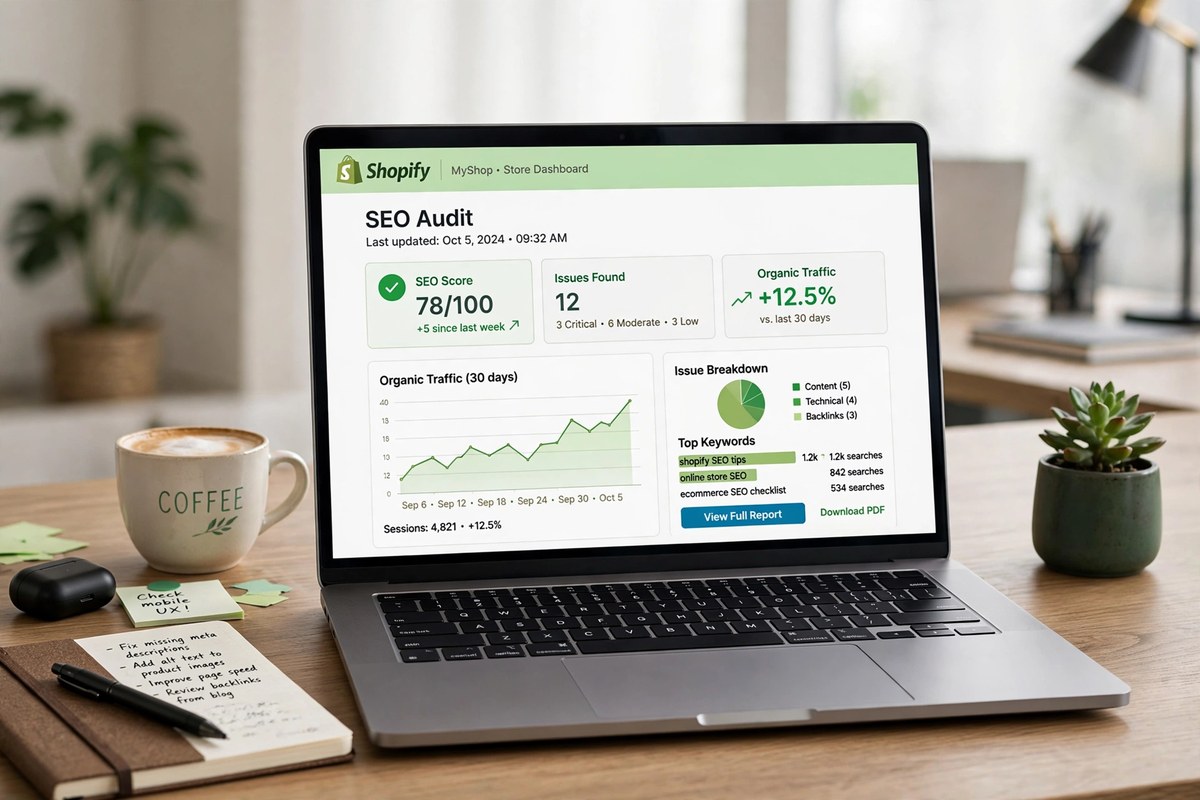
Document everything. Increases in organic traffic, email list growth, improvements in conversion rates: these are the numbers that matter to future clients and employers.
Step 5: Decide How You Want to Work
Once you have foundational skills and some evidence of results, you have a meaningful choice in front of you.
Freelancing gives you flexibility and the ability to work with multiple clients, but it requires you to manage your own lead generation and client relationships.
Remote employment provides consistent income and the support of a team while you continue growing your skills.
Building your own digital asset a content site, a newsletter, or an affiliate project takes longer but can eventually generate income that is not directly tied to your hours.
There is no objectively correct path. Choose based on your current financial situation, risk tolerance, and what genuinely motivates you.
Essential Tools to Get Started at Home
You do not need to spend much to get set up. These tools cover the core needs for most home-based digital marketers:
| Tool | Purpose |
| Google Search Console + GA4 | Organic search tracking and website analytics |
| Semrush or Ubersuggest | Keyword research and competitor analysis |
| Canva | Social graphics and basic visual content |
| Mailchimp or Brevo | Email list building and campaign management |
| WordPress | Website and blog management |
| Notion or Trello | Content planning and workflow organisation |
| ChatGPT or Claude | Research assistance and content ideation |
Start lean. Invest in more advanced tools as your income grows.
Common Mistakes to Avoid
Trying to learn everything at once: The field is large. You will progress faster by going deep on one area before branching out.
Waiting until you feel ready: You learn digital marketing by doing it. The imposter syndrome fades once you start delivering actual results, however modest at first.
Undercharging from the start: Charging very low rates might feel like a smart strategy to attract clients quickly. In reality, it tends to attract difficult clients who do not value what you do. Aim to price fairly from the beginning, even when you are new.
Ignoring analytics: Opinions are useful; data is more useful. Build the habit of tracking performance early. Numbers tell you what is working so you can do more of it.
Conclusion
Knowing how to start Digital Marketing Agency from home is genuinely valuable knowledge in 2026. The opportunity is real, the skills are learnable, and the demand from businesses for capable digital marketers continues to grow.
Pick a specialism, learn it properly, build proof of your work, and take consistent action. That is the whole framework. Everything else is detail.
The field rewards curiosity and adaptability. If that sounds like you, there is no better time to start.
Frequently Asked Questions
1. Can I start digital marketing from home with no prior experience?
Yes. The majority of working digital marketers are self-taught, at least in part. Free learning paths from Google, HubSpot, and Meta cover the fundamentals well. Combine structured learning with hands-on practice and you will build practical skills faster than you might expect. No prior qualifications are required.
2. How long does it take to learn digital marketing from home?
You can develop solid foundational knowledge within three to six months of consistent study and practice. Reaching a level of genuine expertise in a specific area, such as SEO or paid media, typically takes one to two years of active application and real-world experience. The timeline depends heavily on how much time you commit and how consistently you practise.
3. What is the best digital marketing skill to learn first?
SEO and content marketing are strong starting points for most beginners. They build foundational skills in research, writing, and understanding search intent that transfer across almost every other discipline in digital marketing. If you are technically minded, Google Analytics and data analysis are equally valuable entry points.
4. How much can you earn from digital marketing at home?
Earnings vary significantly by specialism, experience, and working arrangement. Freelance digital marketers in the UK typically charge between £25 and £100 or more per hour depending on their expertise. Entry-level remote roles commonly start between £22,000 and £30,000 per year. Experienced specialists and consultants often earn considerably more, particularly in paid media and SEO.
5. Do I need my own website to start digital marketing from home?
Not on day one, but having your own website is a significant advantage. It gives you a live environment to practise SEO, produce and publish content, and demonstrate your skills to potential clients or employers. A basic WordPress site is enough to get started and doubles as your portfolio platform.