
TikTok Shop Marketing Strategy for Brands: From Zero to First 1,000 Sales
A TikTok Shop marketing strategy for brands that works in 2026 is built on one engine: creator affiliates. Roughly 70% of TikTok Shop sales come from shoppable in-feed videos made by creators, not from brand accounts and not from paid ads. Recruit 50 or more micro-creators, pay competitive commissions, amplify the winners with Spark Ads, and your first 1,000 sales are a realistic 90-day target for a well-prepared brand.
That is the short version. The rest of this guide is the full playbook: shop setup, product selection, affiliate recruitment, live shopping, paid amplification and measurement, with honest budgets in pounds and dollars and a week-by-week timeline to your first 1,000 orders.
Why TikTok Shop Is a Different Game in 2026
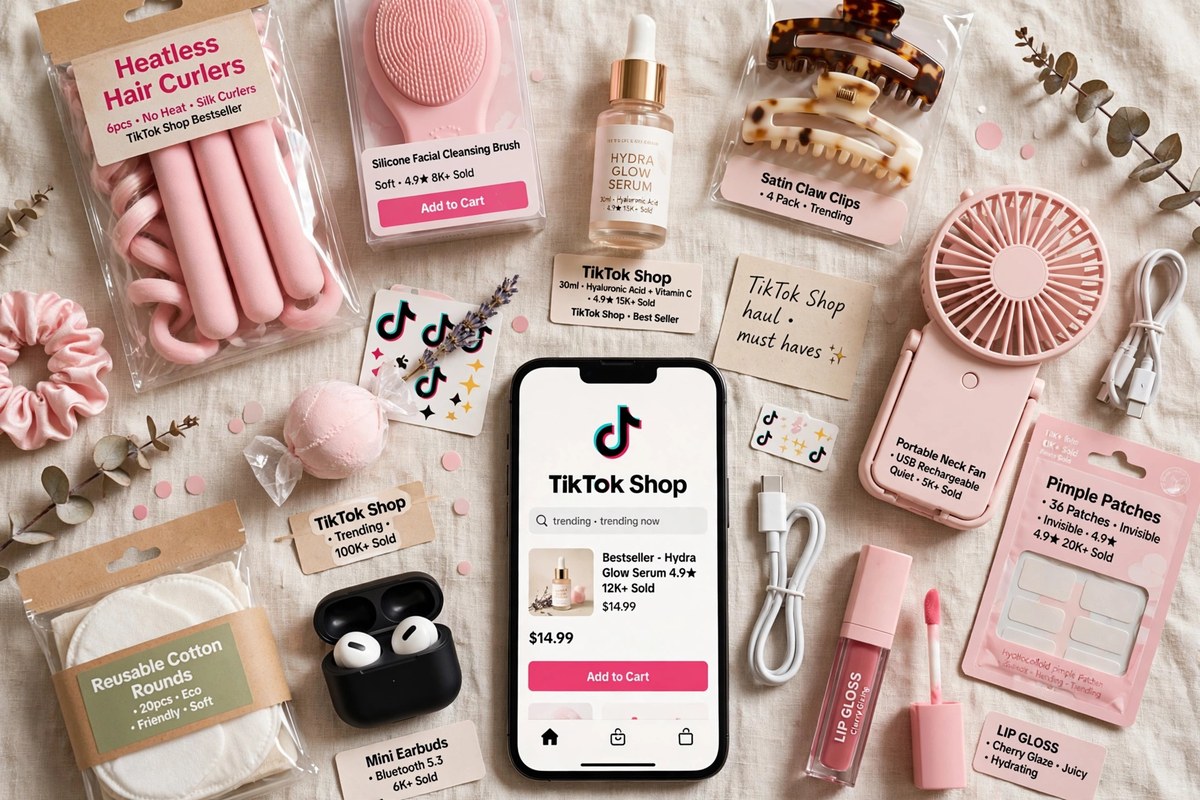
TikTok Shop is no longer an experiment. It now commands the largest share of US social commerce, and its conversion rates of 8 to 12% comfortably beat the 2 to 4% typical of traditional ecommerce. The reason is simple: discovery, trust and checkout all happen inside one app. A viewer watches a creator demo a product, taps the yellow basket and buys without ever leaving TikTok.
For brands, the shift is this: TikTok Shop rewards content volume over follower counts. A small account with 60 active affiliates will outsell a big account with none, because the algorithm needs multiple shoppable videos to test and promote.
Your TikTok Shop Marketing Strategy for Brands: The 6-Step Playbook
Step 1: Set up your Shop like a storefront, not a listing
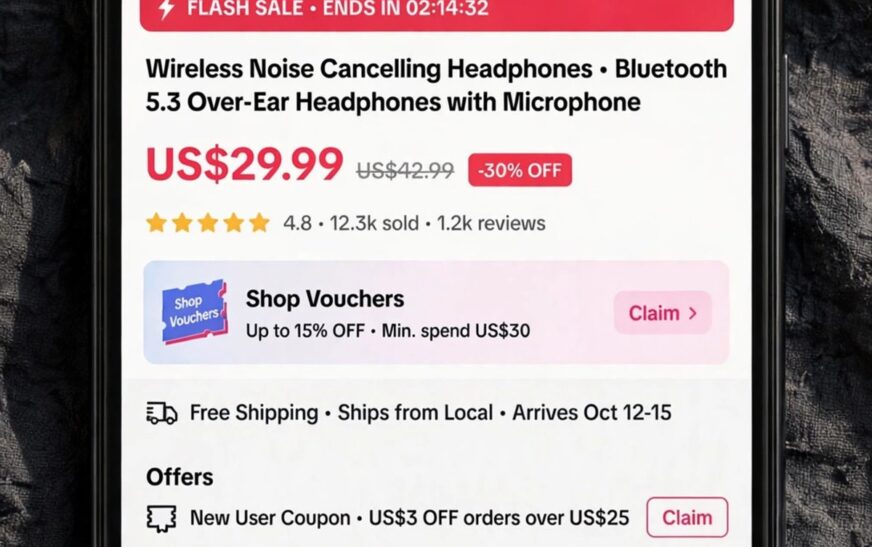
Register through the TikTok Seller Center and complete business verification with your tax and company documents. Then treat your product pages like a real storefront: sharp images, benefit-led descriptions, honest pricing and a clear shipping promise. TikTok scores your shop on product and review quality, and a weak score quietly throttles your visibility.
Before you launch, apply the same discipline as any landing page: our technical SEO audit checklist covers the page-speed and image basics, and TikTok for Business has the official setup docs. Set up fast customer support now, since slow replies hurt your shop score.
Step 2: Choose products that can actually win
Not every product belongs on TikTok Shop. Winners share four traits: they are easy to demonstrate in 10 to 30 seconds, they solve a visible problem or create a clear wow moment, they sit under roughly £80 or $100 so the purchase feels impulsive, and they carry enough margin to fund commissions plus discounts.
Do the margin maths first. With a referral fee plus 15% commission and a 10% launch coupon, a 30%-margin product leaves you almost nothing. Start with your two or three highest-margin, most visual products and expand later.
Step 3: Build the creator affiliate engine
This step drives most sales, so give it most of your effort. Run all three affiliate plan types: Open Plan for volume, Targeted Plan for invited quality creators, and Shop Plan for your storefront.
Set commissions by category: 15 to 20% for beauty, 10 to 15% for fashion, 5 to 10% for gadgets. Use tiered rates with a base for everyone, elevated rates for top performers, and boosted windows around launches.
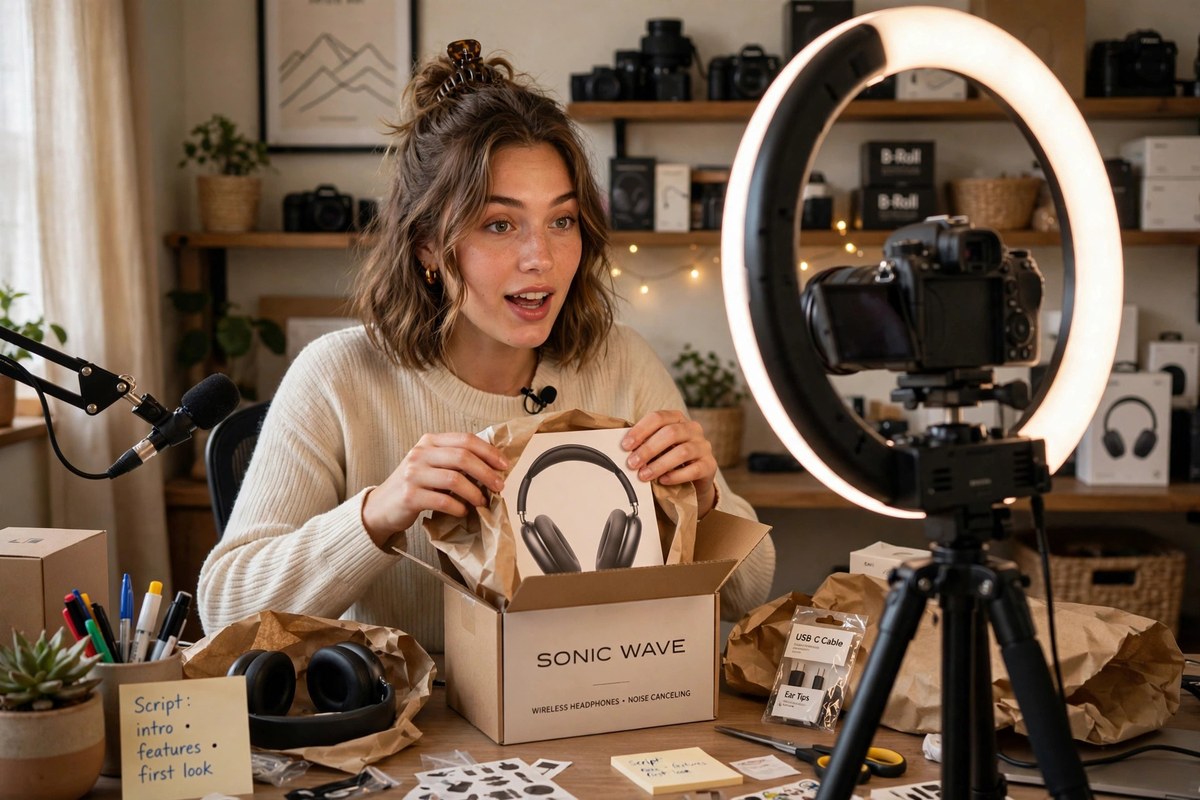
Recruit actively: use TikTok Shop’s free sample function, send 20 to 30 outreach messages a week, and build a standing pool of 50 or more affiliates. Over 80% of creator collaborations cost under $300. One detail most guides skip: TikTok holds affiliate commissions for 15 to 21 days to cover returns, so set that expectation upfront.
Step 4: Go live every week
Live shopping drives a smaller share of sales than shoppable videos, around 17% in the US, but it converts the viewers it gets and it trains your audience to buy from you directly. Schedule a weekly or fortnightly live session: product demos, real-time Q and A, and live-exclusive discounts that expire when the stream ends.
Beauty and anything needing explanation performs best live. You do not need a studio: a tidy table, good light and a knowledgeable host beats a polished set. Invite top affiliates to co-host, then clip highlights into shoppable videos.
Step 5: Amplify winners with paid ads
Here is the budget split that works: spend nothing on ads until you have organic proof. Once a creator video shows strong GMV per video, turn it into a Spark Ad and put paid budget behind it. This is how you scale without gambling on untested creative.
Start paid at £500 to £1,500 per month in the UK or $750 to $2,000 in the US, spent only on proven winners. Creator-led Spark Ads almost always beat brand-produced ads for conversion. Track ROAS per video, not per campaign.
Step 6: Measure GMV per video, not vanity metrics
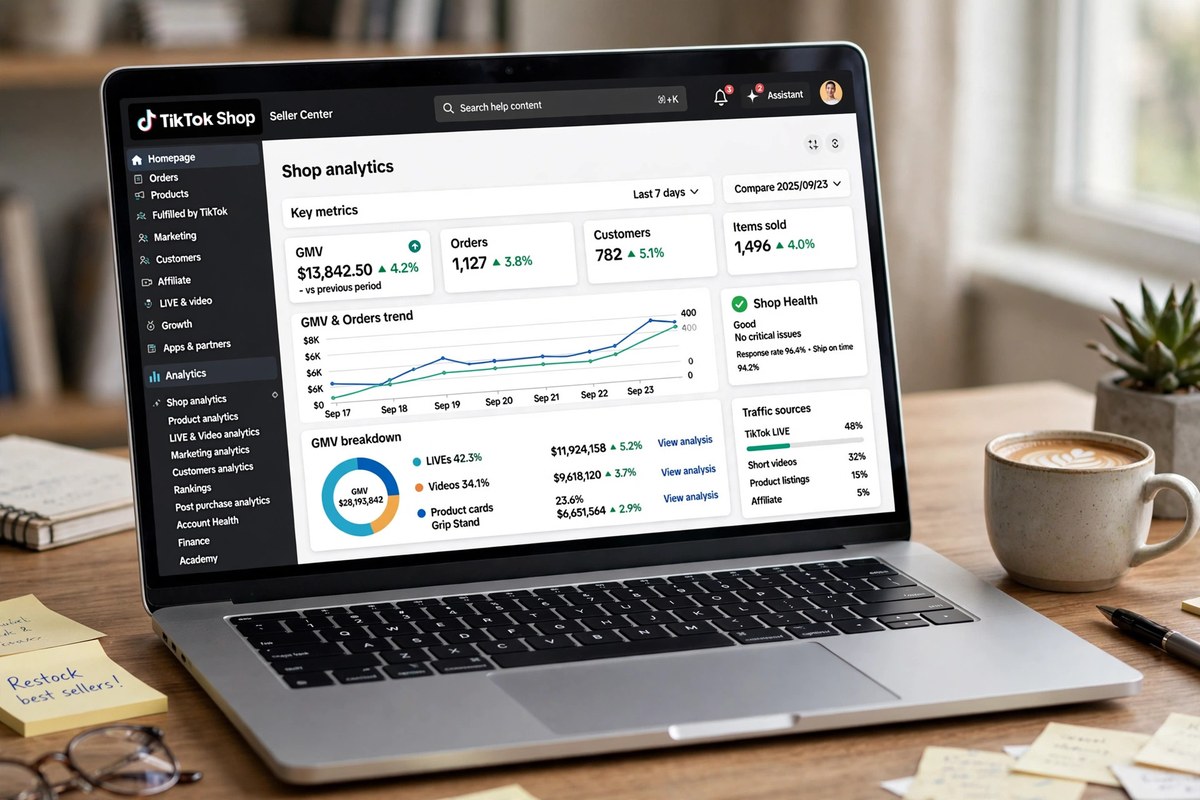
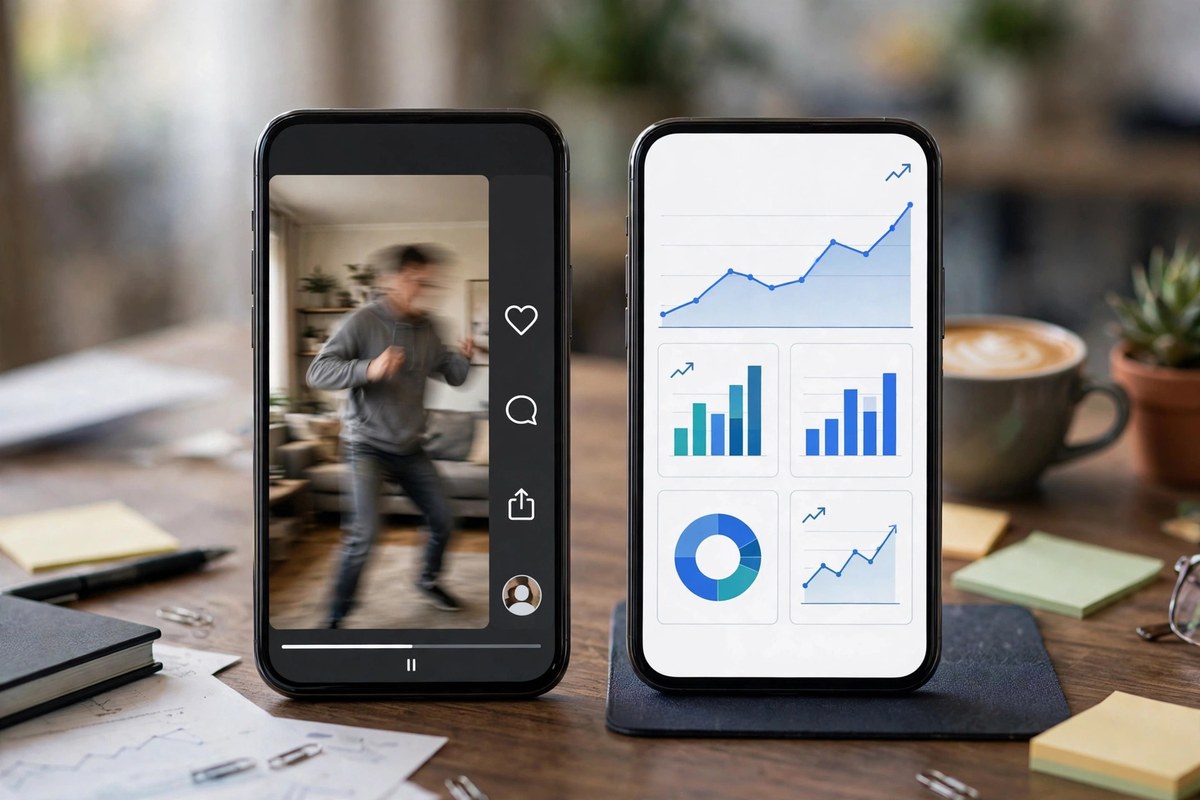
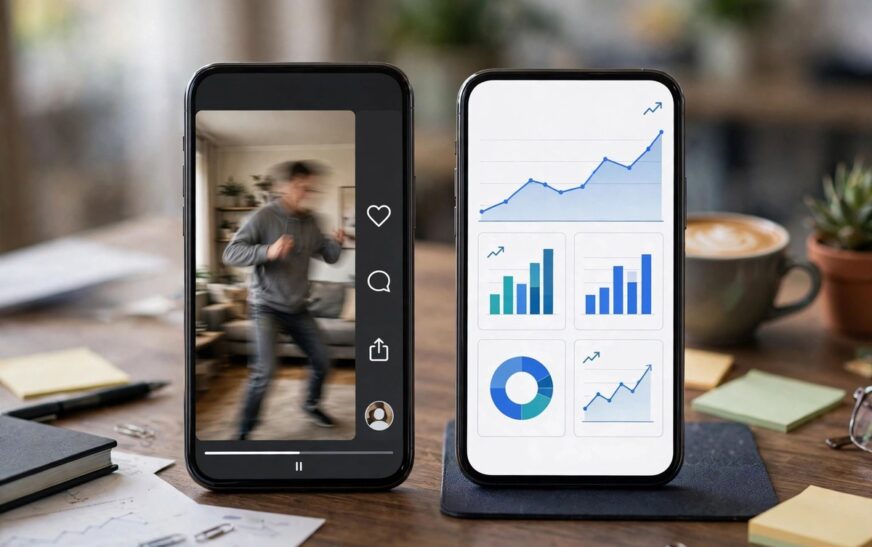
Total GMV is easy to celebrate and often misleading. Track three layers: basics (GMV, orders, AOV, active creators), conversion (video-to-click, click-to-purchase, GMV per video, split by format), and business health (CAC, repeat purchase rate, creator-level ROAS).
The number that matters most is GMV per video: 50,000 views with 100 sales beats 500,000 views with 10 sales. Review a simple dashboard weekly, raise commissions for converters, and drop view-only creators. Genuine shop reviews compound too, working like the review engine we recommend for local businesses.
UK Brands: What Is Different on TikTok Shop UK
UK brands face real differences from the US guides. Show VAT-inclusive prices upfront with a free-delivery threshold, since free shipping is the top reason social shoppers complete a purchase. Offer Royal Mail or tracked 48-hour delivery as standard, because slow shipping tanks your shop score. And follow ASA disclosure rules: affiliates must use paid-partnership labels.
The opportunity is real on both sides of the Atlantic. UK TikTok Shop is growing fast from a smaller base, which means less competition per category than the US right now. Brands that build their affiliate pool in 2026 get the first-mover advantage their US counterparts had to fight for.
Your 90-Day Timeline to 1,000 Sales
| Phase | Focus | Milestone |
|---|---|---|
| Days 1 to 30: Foundation | Shop setup, product pages, first 20 creators recruited, weekly posting begins | 50 to 100 sales |
| Days 31 to 60: Creator engine | 50+ affiliates active, sampling programme running, first live shopping events | 300 to 400 cumulative sales |
| Days 61 to 90: Scale | Spark Ads on winning videos, boosted commissions, second product wave | 1,000 cumulative sales |
These numbers assume a sub-£80 product with decent margins and steady recruitment. Pricier products or crowded categories may need 120 days. The compounding is real: month-one converters keep selling in month three, and every winning video becomes a permanent asset.
What Does It Actually Cost?
Budget for three things: samples (£300 to £800 of product in the first 90 days), paid amplification (£500 to £1,500 per month once you have winners), and staff time (half a day weekly for recruitment and lives). Commissions are performance-based, so they scale with revenue.
Unlike traditional paid social, where you pay per impression, most TikTok Shop spend only happens when a sale happens. That is why small brands can compete here.
Conclusion
A TikTok Shop marketing strategy for brands is a simple sequence: a shop worth buying from, products with demo value and margin, relentless creator recruitment, weekly lives, amplification of winners only, and GMV per video as your compass. Do that for 90 days and 1,000 sales is an honest target. Losing brands are not losing on product; they listed products and waited. Start recruiting this week, and let your wider small-business marketing strategies and content strategy for search repurpose every winning video into lasting assets.
Frequently Asked Questions
How long does a TikTok Shop marketing strategy for brands take to reach 1,000 sales?
With a sub-£80 product, 90 days is realistic: 50 to 100 sales in month one, 300 to 400 cumulative by month two, 1,000 by month three. Pricier products or crowded categories may need 120 days. Consistent recruitment matters more than any single tactic.
What commission should brands offer TikTok Shop affiliates?
Match your category: 15 to 20% for beauty and skincare, 10 to 15% for fashion and accessories, 5 to 10% for electronics and gadgets. Use tiered rates with a base commission for all affiliates and elevated rates for top performers, plus short boosted-commission windows around launches to spike creator attention.
Do brands need paid ads for their TikTok Shop marketing strategy?
Not at first. Spend nothing until organic content proves what converts, then turn winners into Spark Ads. Budget £500 to £1,500 per month in the UK once you have winners. Creator-led ads consistently beat brand-produced creative.
Is TikTok Shop worth it for UK brands in 2026?
Yes, and arguably more than for US brands right now. UK TikTok Shop is growing fast from a smaller base with less competition per category. UK brands need VAT-inclusive pricing, fast tracked delivery and ASA-compliant creator disclosures, but the affiliate economics work the same.
What is the biggest mistake brands make with TikTok Shop marketing strategy for brands?
Treating it as a listing exercise: uploading products and waiting for creators to appear. TikTok Shop rewards active recruitment, weekly live sessions and constant content volume. Brands that recruit 50 or more affiliates and post consistently win; brands that wait do not.








1 Comment
[…] a deeper look at selling directly inside the app, see our TikTok Shop marketing strategy guide, which pairs well with this […]