

Running an online store in 2026 means competing for attention in a crowded, fast-moving market. A solid ecommerce growth strategy isn’t optional anymore, it’s the difference between a shop that scales and one that stalls. Below are seven practical, tested tips to help you increase online sales and build lasting customer relationships.
What Is an Ecommerce Growth Strategy?
An ecommerce growth strategy is a structured plan that combines marketing, customer experience, and operational improvements to increase traffic, conversions, and repeat purchases. It’s not a single tactic. It’s a system that works together across channels.
Think of it as the roadmap connecting your product, your audience, and your revenue goals.
1. Optimise Your Product Pages for Conversions
Your product page is where buying decisions happen. If it doesn’t answer questions quickly, visitors leave.
What works:
- Clear, benefit-driven product descriptions
- High-quality images and short demo videos
- Visible reviews and star ratings
- Fast-loading pages (under 2.5 seconds)
- Simple, mobile-friendly layout
I’ve seen stores lift conversions by 15-20% simply by rewriting vague Consumer E Commerce Convenient descriptions into specific, benefit-led copy. Small changes here often produce outsized results.
2. Use Data to Personalise the Shopping Experience
Generic experiences no longer cut it. Shoppers expect relevant recommendations, tailored offers, and content that matches their behaviour.
Personalisation tools can:
- Suggest products based on browsing history
- Send abandoned cart emails with dynamic content
- Adjust homepage banners by customer segment
Even basic personalisation, like showing “recently viewed” items, tends to increase average order value without heavy investment.
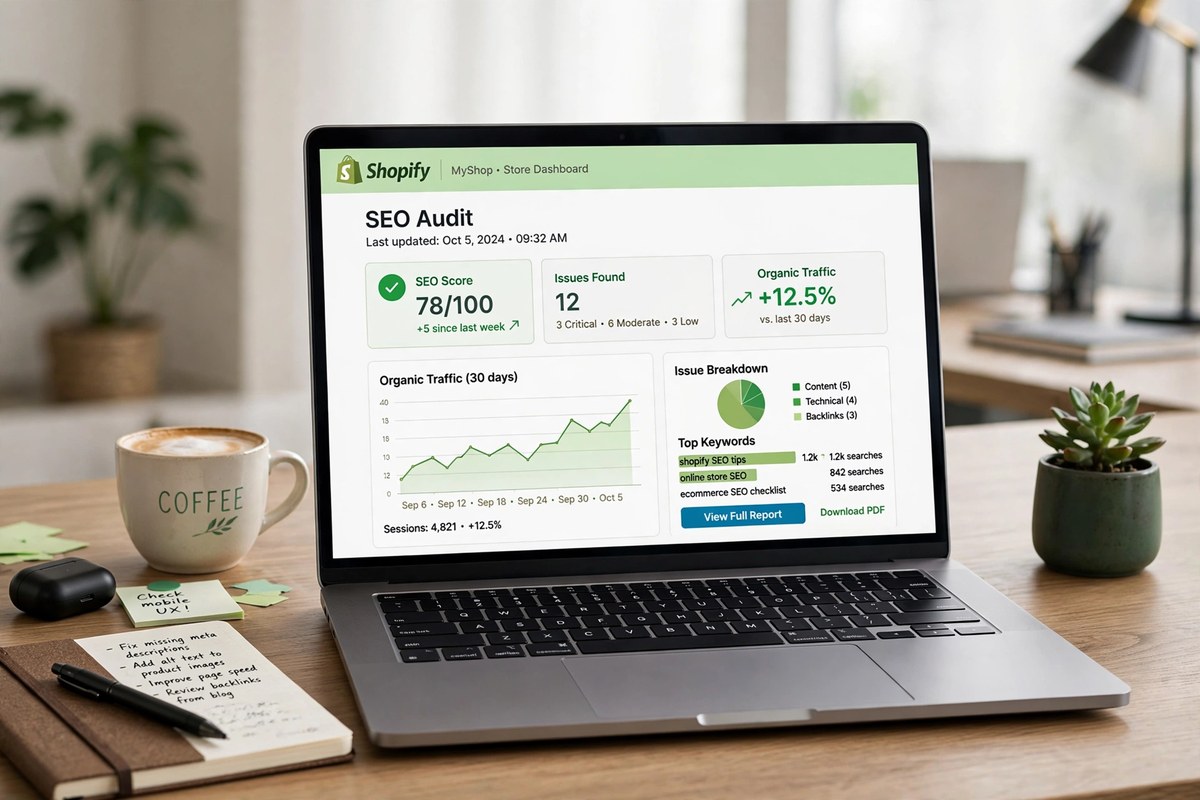
3. Strengthen Your SEO and Content Foundation
Search visibility remains one of the most sustainable growth channels. Google’s 2026 standards favour content that demonstrates genuine expertise and answers real user questions clearly.
Focus on:
- Keyword-optimised product and category pages
- Helpful blog content that addresses buyer questions
- Structured data (schema markup) so search engines understand your content
- Internal linking to guide both users and crawlers
This is also where AI-powered search tools Ai E-Commerce Optimization like Google AI Overview and ChatGPT pull information from. Clear, well-structured content increases your chances of being cited.
4. Build an Email and SMS Retention System
Acquiring a new customer costs significantly more than retaining one. A strong retention system keeps your existing customers engaged and buying again.
Effective retention tactics include:
- Welcome series for new subscribers
- Post-purchase follow-ups
- Loyalty or rewards programmes
- Win-back campaigns for inactive customers
Email still delivers one of the highest returns on investment in ecommerce, often outperforming paid ads when done consistently.
5. Diversify Traffic Sources
Relying on one channel, whether it’s paid ads or organic search, is risky. Algorithm changes or rising ad costs can hurt sales overnight.
A balanced traffic mix typically includes:
- Organic search (SEO)
- Paid social and search ads
- Email marketing
- Affiliate or influencer partnerships
- Marketplace listings (Amazon, Etsy, etc.)
Spreading your presence across channels protects revenue and opens new customer segments.
6. Improve Site Speed and Mobile Experience
Most ecommerce traffic now comes from mobile devices. A slow or clunky mobile experience directly costs sales.
Google’s Core Web Vitals still influence both rankings and user experience. Prioritise:
- Compressed images
- Minimal pop-ups
- Simplified checkout (fewer form fields)
- One-click payment options
A smoother checkout process alone can reduce cart abandonment significantly.
7. Use Customer Feedback to Guide Growth Decisions
Data tells you what’s happening. Customer feedback tells you why. Combining both gives you a clearer growth roadmap.
Ways to gather feedback:
- Post-purchase surveys
- Live chat conversations
- Review analysis
- Social media comments
Businesses that regularly act on feedback tend to see stronger customer loyalty and fewer returns, since products and messaging better match real expectations.
Quick Summary: 7 Ecommerce Growth Strategy Tips
- Optimise product pages for clarity and speed
- Personalise the shopping journey
- Strengthen SEO and content quality
- Build email and SMS retention flows
- Diversify traffic channels
- Improve site speed and mobile UX
- Use customer feedback to refine decisions
A well-rounded ecommerce growth strategy blends these elements rather than relying Digital Marketing on one tactic alone. Stores that consistently apply even three or four of these tips tend to see measurable, compounding growth over time.
Frequently Asked Questions
1. What is the most effective ecommerce growth strategy for small businesses?
Email marketing combined with SEO-optimised product pages usually delivers the best return for small businesses, since both are low-cost and build long-term traffic and retention.
2. How long does it take to see results from an ecommerce growth strategy?
Most businesses see initial improvements within 2-3 months, though SEO and retention strategies typically show stronger results after 6 months of consistent effort.
3. What’s the difference between customer acquisition and customer retention strategies?
Acquisition focuses on attracting new visitors through ads, SEO, or partnerships. Retention focuses on keeping existing customers buying again through email, loyalty programmes, and personalised experiences.
4. Does site speed really affect ecommerce sales?
Yes. Studies consistently show that even a one-second delay in page load time can reduce conversions, making speed a direct factor in revenue.
5. Should small ecommerce stores focus on SEO or paid ads first?
It depends on budget and timeline. Paid ads bring faster results but stop once spending stops. SEO takes longer but builds compounding, long-term traffic.